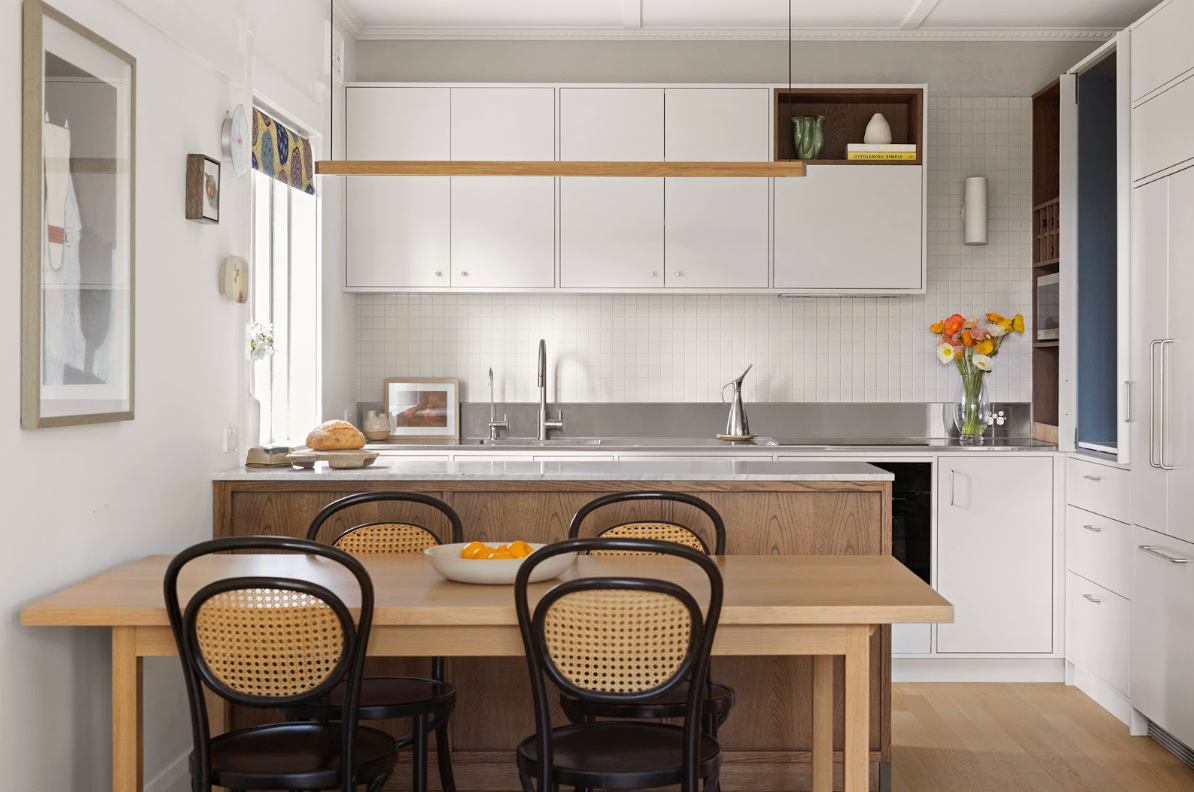
7 Qualities of an Interior Designer That Predict a Smooth Design Project
You've found an interior designer in Sydney whose work aligns with what you want to achieve. The spaces are resolved, the detailing is considered, and the projects appear effortless. On paper, it feels like the right decision.
Months later, the reality can feel very different. Budgets shift without warning, layouts don't support how you actually live, and timelines become unclear once construction begins. The issue is rarely aesthetic. It's about process, judgment, and how decisions are managed between concept and completion.
This article outlines seven qualities that reliably predict whether a design project will run smoothly. It's a practical checklist, focused not on style alignment but on whether your interior designer can lead a complex project with clarity, discipline, and control from start to finish.
1. Ask About Your Daily Life Before Showing You Mood Boards
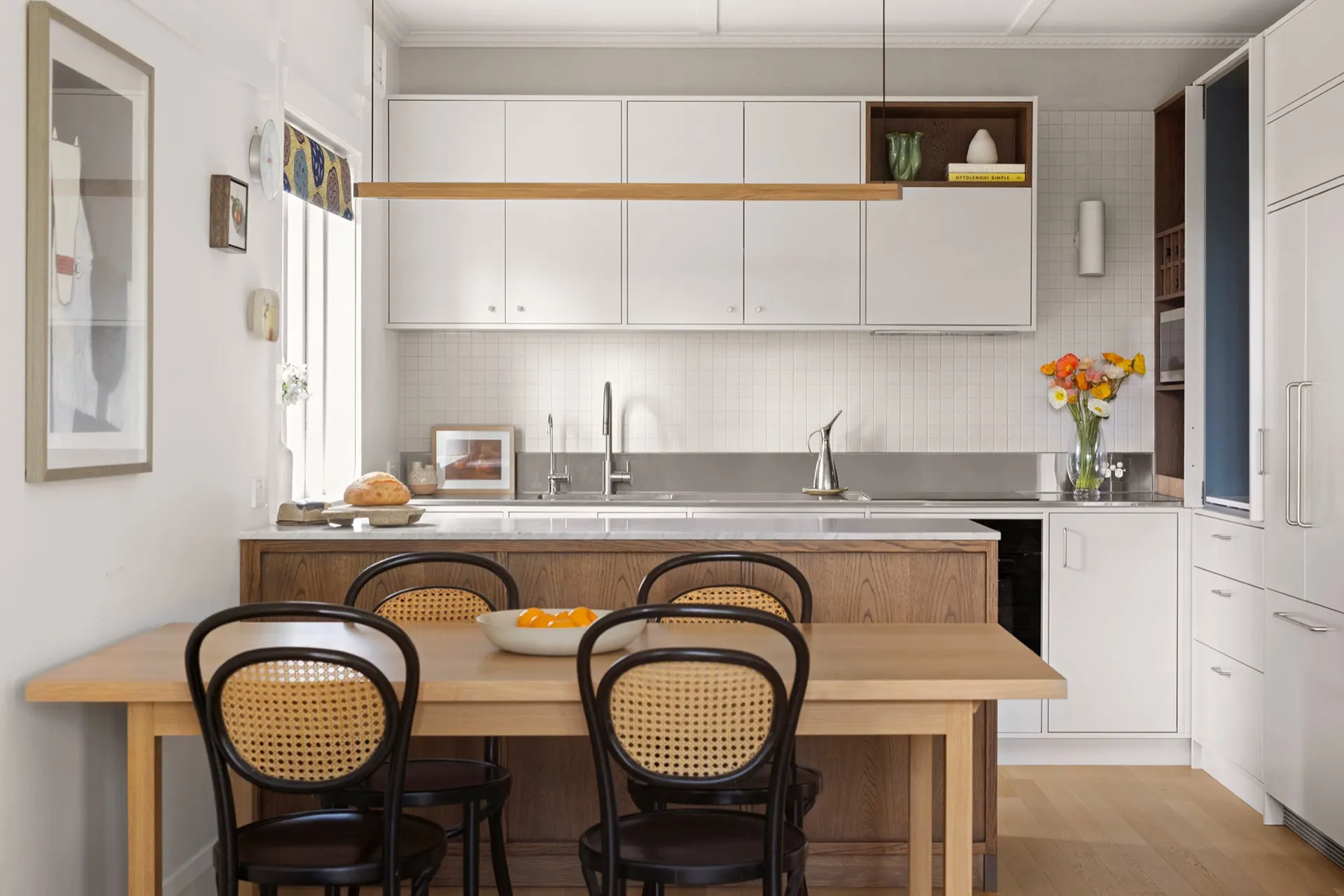
Good designers start by understanding how you live, rather than how you would like your home to look.
They ask about routines and friction points. Questions such as where does clutter build up, how do you use the space when friends come over, or when you're working from home?
The questions are practical and specific. Where do school bags get dropped? Does cooking happen alongside homework? These details shape how a space needs to work, not just how it looks.
In the first meeting, the designer should be listening more than they're talking. If the focus is on presentation before understanding, that usually shows up later in the project. Prioritising practically first will allow your space to look great and function well which creates flow.
2. Walk You Through Their Process With Specific Timeframes
From concept through to construction, the stages should be defined and the timeframes realistic. Early design work, revisions, approvals, and documentation all take time, and a good designer can explain how long each step usually takes and why.
When timelines are vague or unorganised, projects stall. You're left unsure when decisions are needed or why progress has slowed.
A simple question early on is what happens between the first meeting and the start of site works. An experienced designer can walk you through this without hesitation, because they've done it many times before.
Every project is different, but the process should always be clear. If it isn't, that usually causes problems later.
3. Show You How They've Solved Problems, Not Just Pretty Rooms
A portfolio will show you pretty spaces, that is for sure. But a good interior designer needs to have good problem solving skills. They should be able to explain the constraints and how decisions are made along the way.
The value is not in the final photograph alone, but in the thinking behind it, including the constraints, trade-offs, and time it took to arrive there. Limited storage, competing requirements, or changes during the project all require considered solutions, and how those issues were resolved matters far more than any single material or detail.
While that final photo could be impeccable, how it got there is just as important for your space, sanity and your budget.
4. They're Honest About What Your Budget Can and Can't Achieve
The budget conversation should happen early because it sets expectations for everything that follows. A good designer will ask for your budget upfront, then explain what that figure can realistically deliver. For example, a certain budget may cover a kitchen and bathroom, while an extension would require additional scope or staging.
This sounds straightforward, but it is often avoided. When costs are not discussed clearly at the outset, expectations drift and usually lead to some sort of disappointment or delays in the project. Clients can be shy about discussing their budget, but a frank conversation with your designer up front will always result in the best outcome. After all, your designer is your advocate and should always have your best interests at heart. When numbers are confirmed, clients can choose between reducing their expectations or exceeding the original budget.
Be cautious of vague assurances like "we'll work it out later" without reference to actual costs. Clear guidance early on allows decisions to be made with confidence, rather than under pressure.
5. They Explain How Decisions Get Made When You Disagree
Disagreements are a natural part of any project; what matters is how decisions are navigated when priorities differ. A strong designer articulates their rationale clearly, listens carefully to your concerns, and resolves issues with discernment rather than ego—neither overriding your preferences nor defaulting to agreement for the sake of convenience.
Pay attention to how decisions are framed. If a designer cannot explain why something may not work or avoids taking a position altogether, that usually leads to problems later. Clear guidance and expert authority, balanced with respect for the client's brief, keep a project moving forward with confidence and lead to a harmonious outcome that serves both parties.
The right balance is a designer who understands it is your home, but is prepared to challenge decisions that may compromise how the space functions or ages over time.
6. They Know Your Tradie's Language (and Can Translate It for You)
Designers play a critical role in translating a client's brief into built form. That requires fluency in both design intent and construction reality.
A capable interior designer understands technical documentation, construction sequencing, and compliance requirements, and can coordinate consultants and trades without confusion. Communication with builders is precise and informed, while communication with the client remains clear and grounded in outcomes.
Strong coordination ensures decisions are based on what is genuinely possible on site (reinforcing quality 4), not assumptions, and allows problems to be addressed with informed solutions rather than compromise.
7. They can Plan Accordingly for Simple, Yet Unexpected Mishaps
Experienced designers plan for issues because they have encountered them before. Delayed materials, incorrect measurements, and unforeseen conditions are inevitable part of the construction process.
What matters is whether these risks are anticipated and managed. Allowing time in the program, identifying alternative suppliers, and adjusting sequencing when needed are all part of responsible project planning.
A designer's response to unexpected issues is a useful indicator of experience. Those who have successfully led projects through construction understand how to adapt without losing control of the brief, budget, or timeline.
No project is without risk. Clear acknowledgement of that, and a considered approach to managing it, is what keeps a project moving forward with confidence.
The Question That Reveals All Seven Qualities at Once
A smooth design project is never the result of style alone. It comes from clear thinking, structured decision-making, and the ability to lead a project through complexity without losing sight of how a space needs to function.
These seven qualities are not about finding the most visually impressive interior designer in Sydney. They are about identifying a studio with the experience to manage budgets, timelines, competing priorities, and construction realities with discipline and care. When those foundations are in place, a great design outcome tends to follow naturally.
At Conway + Wise, projects are approached with this mindset. From early brief development through to site coordination and final installation, the focus is on clarity, collaboration, and delivering an outcome that stands the test of time.