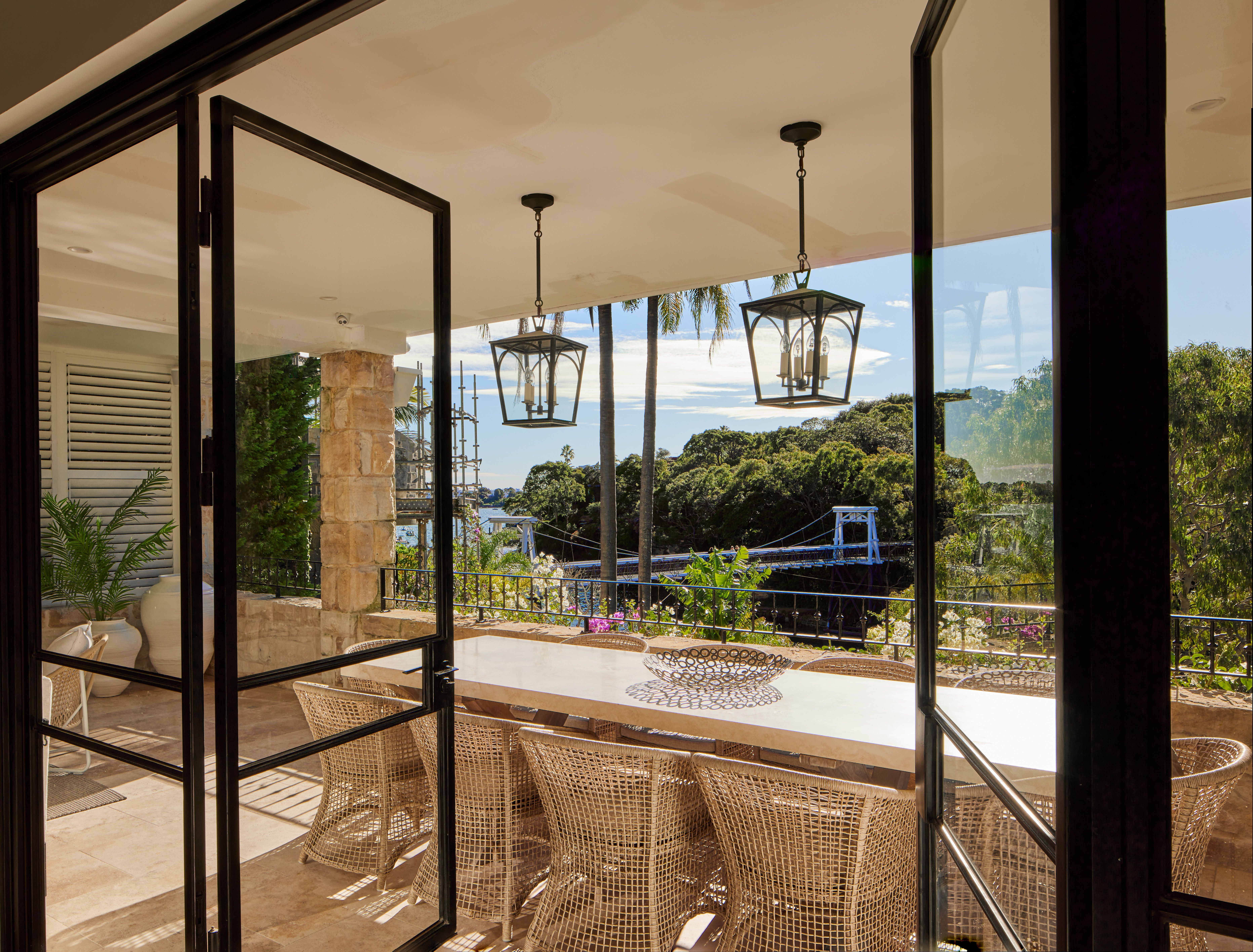
What Does an Interior Designer Actually Do?
There's a common misconception that interior designers simply "decorate", that the role begins and ends with cushions, colours and finishing touches. In reality interior design is far more layered. It sits at the intersection of design, architecture and lived experience, shaping not only how a space looks, but how it feels and functions every day.
At its best, interior design is about creating environments that support the way you live -spaces that are intuitive, considered and enduring. It's a process that moves from big-picture thinking through to the finest detail, bringing together planning, materials, craftsmanship and atmosphere into a cohesive whole.
So, what does an interior designer actually do? Way more than most people realise!
Beyond Decoration: Designing from the Inside Out
Interior design begins long before finishes are selected or furniture is placed. It starts with understanding and listening. How a client lives, what they value, how they move through their day, and what they want their home or workspace to feel like.
Rather than applying a surface-level aesthetic, a designer considers the bones of a space: how rooms connect, how natural light is used, how circulation flows, and how each element supports the overall experience. The result is not just a "styled" interior, but a space that feels resolved and effortless.
The Core Responsibilities of an Interior Designer
1. Space Planning: Creating Flow and Function
One of the most important—and often underestimated—aspects of interior design is space planning.
This is where a designer reworks or refines layouts to ensure a space functions seamlessly. It might involve reconfiguring a kitchen to improve usability, adjusting joinery to maximise storage, or opening up sightlines to create a stronger sense of connection between rooms.
Good space planning is largely invisible. When done well, a home simply feels right. Balanced, intuitive and easy to live in.
2. Material Selection: Building a Cohesive Palette
Materials are the foundation of any interior. They shape not only the visual identity of a space, but also its texture, warmth and longevity.
An interior designer carefully curates finishes and materials. Stone, timber, tiles, metals, and fabrics, to create a palette that feels cohesive and considered. This process goes beyond aesthetics; it involves understanding how materials perform, how they age and how they interact with light.
In a well-resolved interior, materials don't compete but work quietly together, creating depth and subtle contrast while maintaining a sense of calm.
3. Furniture, Lighting and Layering
Furniture and lighting are not simply selected to "fill" a space, they are integral to how it functions and feels.
A designer considers proportion, scale and placement, ensuring each piece contributes to the overall balance of the room. Lighting, in particular, is layered—combining ambient, task and accent lighting to create flexibility and mood.
Textiles, rugs and soft furnishings are introduced with restraint, adding comfort and tactility without overwhelming the space. The aim is always harmony rather than excess.
4. Detailed Design and Documentation: Turning Vision into Buildable Detail
This is where the value of working with qualified interior designers becomes especially clear. Our role is not only to design the interior, but to resolve it in detail, translating the creative vision into practical documentation that can be understood and implemented by builders, joiners, trades and suppliers.
Depending on the scope of the project, this may include drawings and schedules for council approval, strata approval and construction, as well as detailed joinery drawings, reflected ceiling plans, lighting layouts, electrical plans, finishes schedules, fixture and fitting selections, material specifications and other technical documents required to bring the project to life.
This stage requires both creativity and technical knowledge. A designer considers proportion, junctions, material transitions, functionality, services coordination and construction details, ensuring that every element works together and supports the overall design intent.
Strong documentation reduces ambiguity on site, supports more accurate pricing, and gives clients greater confidence that the design can be delivered with clarity and care.
At Conway + Wise, as qualified interior designers, we bring both creative vision and technical understanding to this stage, ensuring the design is not only beautiful, but buildable, practical and carefully resolved.
5. Design Management: Bringing It All Together
Interior design is as much about coordination as it is about creativity.
Designers work closely with architects, builders, joiners, suppliers and trades to ensure the vision is carried through from concept to completion. This involves reviewing drawings, resolving details, managing timelines and responding to challenges as they arise.
It's a highly collaborative process—one that requires clarity, experience and a strong understanding of both design intent and construction.
6. Interior Styling: The Final Layer
While styling is often what people associate most with interior design, it is actually the final layer of a much larger process.
This stage is about refining the space, introducing artwork, objects and subtle details that bring personality and warmth. It's less about decoration and more about editing: knowing what to include, what to leave out, and how to create a sense of ease.
A well-styled interior doesn't feel staged. It feels lived-in, calm and complete.
Residential vs Commercial Design
While the principles of good design remain consistent, the way they are applied can vary depending on the context.
Home Interior Design: Spaces That Reflect How You Live
In residential projects, the focus is deeply personal. A home should reflect not only how it looks, but how it supports daily life. Quiet mornings, shared meals, moments of rest and connection.
Whether it's a coastal apartment or a reimagined terrace, the goal is to create a space that feels both functional and emotionally resonant. This often involves balancing practicality with softness, integrating durable materials with a sense of warmth and calm.
A well-designed home evolves with its occupants, offering flexibility while maintaining a strong sense of identity.
Commercial Interior Design: Purposeful, Considered Environments
In commercial spaces, design must respond to a different set of needs—productivity, brand identity, and user experience.
Workplaces for example, benefit from carefully planned layouts that support both focus and collaboration. Lighting, acoustics and ergonomics play a significant role, as does the overall atmosphere of the space.
A considered commercial interior can shape how people feel and perform, while also communicating a clear and cohesive brand story.
The Value of Working with an Interior Designer
Engaging a qualified interior designer is not simply about achieving a particular look, it's about bringing clarity and confidence to the entire process.
A More Efficient Process
Designers streamline decision-making by presenting curated options, reducing the overwhelm that often comes with large-scale projects. They manage sourcing, procurement and coordination, allowing clients to focus on the bigger picture.
Thoughtful Budget Management
While it may seem counterintuitive, working with a designer can often lead to better financial outcomes. Through careful planning and industry knowledge, designers help avoid costly mistakes and ensure budgets are allocated where they matter most.
Access to trade suppliers and a clear understanding of value versus cost also contributes to more considered spending.
Reduced Stress, Greater Confidence
Building or renovating can be complex. A designer acts as a guide through the process—resolving details, managing communication, and ensuring the design intent is maintained.
This not only reduces stress, but creates a more enjoyable and collaborative experience overall.
A More Refined Outcome
Perhaps most importantly, designers bring a level of refinement that is difficult to achieve without experience. They see the bigger picture while also understanding the importance of detail—how junctions align, how materials transition, how light interacts with surfaces.
The result is a space that feels cohesive, resolved and quietly elevated.
More Than a Service—A Way of Thinking
Interior design is not a single step or a final layer. It is a way of thinking about space - one that values both function and feeling, restraint and richness, simplicity and depth.
It's about creating environments that support everyday life while also offering moments of calm, beauty and connection.
Whether it's a home renovation, a new build, or a commercial project, the role of an interior designer is to bring clarity to complexity—to shape spaces that are not only visually considered, but deeply lived in.
Considering Your Own Project?
If you're planning a renovation, new build or interior refresh, working with a qualified. Interior designer can help you approach the process with greater confidence and clarity.
At Conway + Wise, we bring together thoughtful planning, creative design, technical expertise and a highly personal level of service. We guide our clients through each stage with care and attention to detail, creating interiors that are beautiful, functional and carefully resolved, with a design approach tailored to each project.